Start with the Right Eggs
Use fresh eggs at room temperature. Fresh egg whites contain stronger proteins, which trap air more effectively and produce better volume. Cold egg whites whip more slowly and less evenly.
When separating the eggs, take extra care to avoid getting any yolk into the whites. Even a small amount of fat can prevent the egg whites from whipping properly. If this happens, it’s best to start over.
Clean, Grease-Free Equipment Is Essential
Your mixing bowl and whisk must be completely clean and dry. Any grease, oil, or residue will interfere with the whipping process.
For extra insurance, wipe the bowl and whisk with a little lemon juice or vinegar, then dry thoroughly. This removes any hidden grease and helps stabilize the egg whites.
Begin Whipping the Egg Whites
Start whipping the egg whites on medium speed until they become foamy. At this stage, the whites should look bubbly but still loose.
If you like, you can add a small amount of acid such as lemon juice, vinegar, or cream of tartar. This helps strengthen the egg white structure and improves stability, especially for beginners.
Add the Sugar
Use fine granulated sugar or caster sugar, as it dissolves more easily in egg whites. Add the sugar in three parts while whipping.
You may also add the sugar all at once if using very fine sugar and a powerful mixer. Adding it in three additions gives better control and helps the sugar dissolve evenly, especially when using regular granulated sugar.
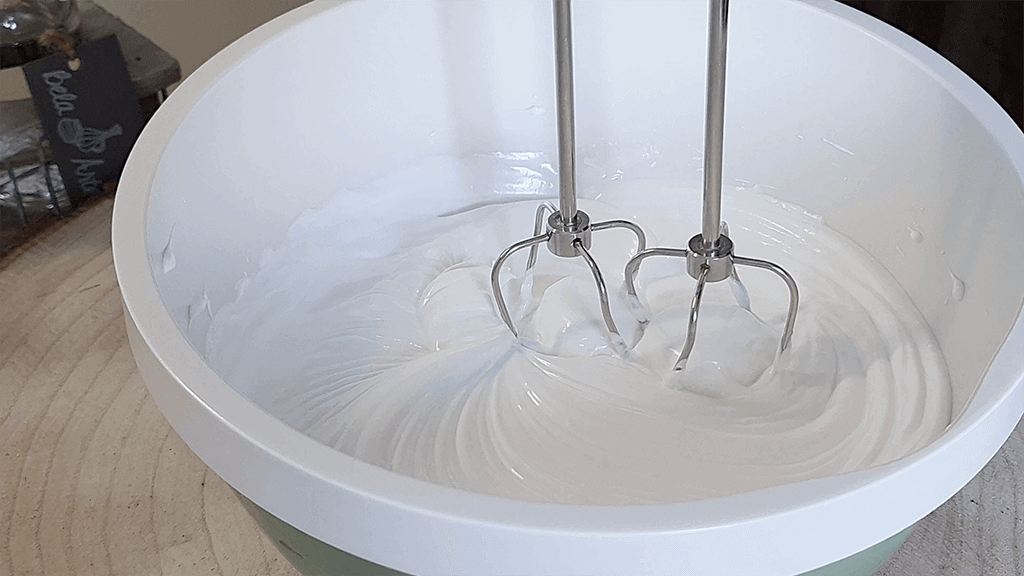
Once all the sugar is incorporated, increase the mixer speed to medium-high and continue whipping until stiff, glossy peaks form.
Whip to Stiff, Glossy Peaks
The meringue is ready when it forms stiff peaks that stand straight up when you lift the whisk. The texture should be smooth, dense, and shiny, not dry or crumbly.
A simple test is to turn the bowl upside down. If the meringue stays firmly in place, it is ready. Stop whipping immediately at this point. Overwhipping will cause the meringue to become grainy and unstable.
Final Tips for Success
- Always add sugar after the egg whites become foamy.
- Do not rush the process, stable meringue takes time.
- Avoid overwhipping, stop as soon as stiff peaks form.
- Use the meringue immediately for best results.
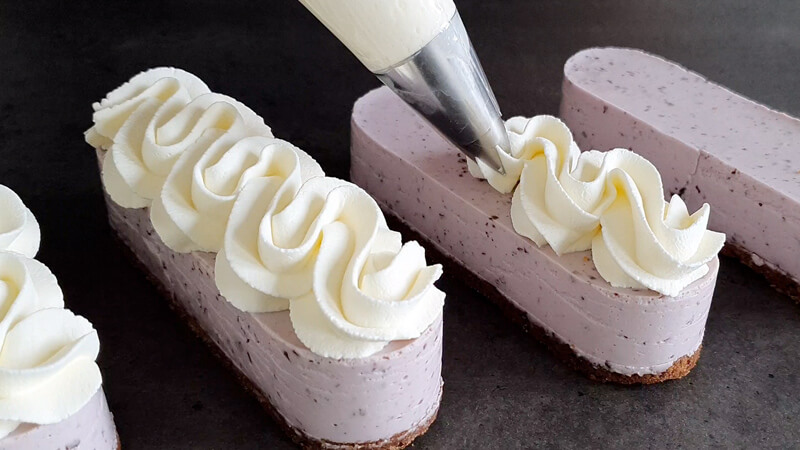
With these steps, you’ll be able to whip a perfect meringue every time. Once mastered, this simple technique opens the door to countless classic and modern desserts.